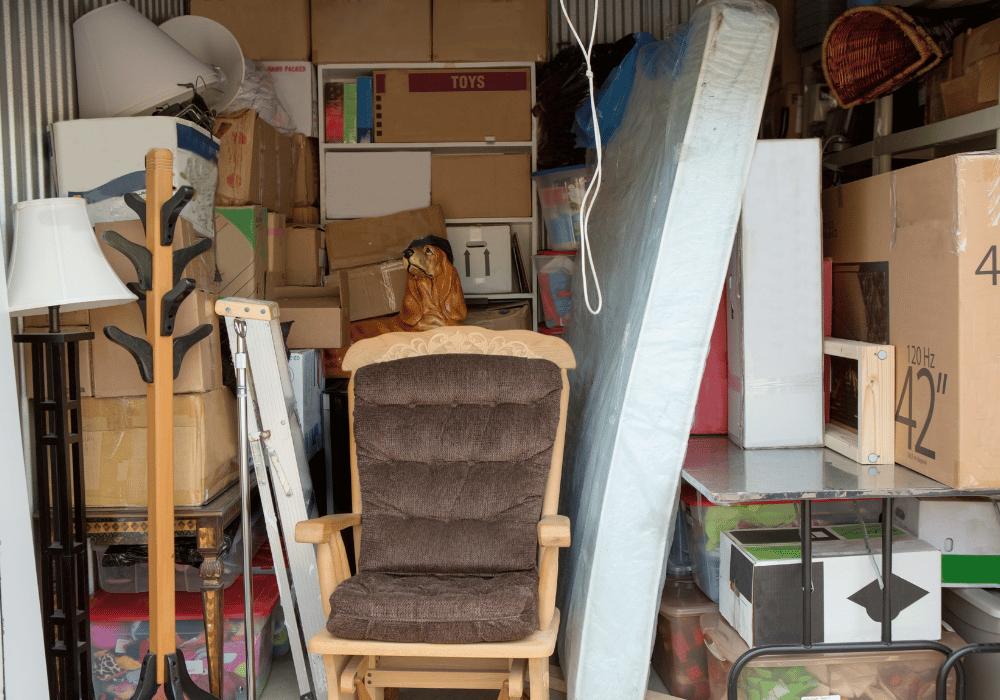
Yes, in most cases your renters insurance covers belongings in a self storage unit through what is called off-premises coverage. The catch is that this coverage is capped, usually at about 10% of your personal property limit, and it only pays out for the same events your policy already covers, such as theft, fire, and certain water damage. Here is exactly what is protected, what is left out, and when to add more coverage.
Does renters insurance cover a storage unit?
- Yes. Off-premises coverage extends your personal property protection to items stored away from home.
- The standard cap is about 10% of your personal property limit. A $30,000 personal property limit gives you roughly $3,000 of storage coverage.
- Coverage applies to the same events, called perils, that your home policy already lists.
What is covered in a storage unit
Your policy generally protects stored belongings against the same causes of loss it covers at home:
- Theft and break-ins
- Fire and smoke
- Water damage from a leak or burst pipe
- Vandalism
- Windstorm and hail, depending on your policy
What renters insurance does not cover
Standard policies leave out several risks that matter for storage:
- Flood damage, which needs separate flood coverage
- Earthquake damage, which needs an added endorsement
- Mold and mildew
- Pest and rodent damage
- Wear, tear, and gradual damage over time
- Motor vehicles and their contents, which fall under auto insurance
Coverage limits on valuables
Even within your storage coverage, high-value items carry their own caps, called sub-limits.
| Item type | Typical sub-limit |
|---|---|
| Jewelry | Around $1,500 |
| Coins and cash | Around $200 |
| Firearms | Around $2,500 |
To fully protect items above these caps, schedule them on a rider at their appraised value.
Your policy vs the facility's protection plan
- Many facilities ask for proof of insurance before you move in.
- If you already have renters or home insurance, your off-premises coverage often satisfies that requirement.
- If you do not have a policy, the facility can offer a protection plan through a third-party provider for a monthly fee.
- A facility plan covers the stored contents only, and the terms vary, so check which events it includes.
How much storage coverage do you need?
- Add up the replacement value of everything you plan to store.
- If that total is more than 10% of your personal property limit, raise your limit or add coverage.
- Schedule jewelry, collectibles, instruments, and electronics separately if they pass the sub-limits.
- Keep a photo inventory and receipts so a claim goes smoothly.
How to file a storage unit insurance claim
- Document the damage or loss with photos and a written list.
- Report theft or vandalism to the police and get a report number.
- Call your insurer with your policy number and inventory.
- Provide proof of value, such as receipts, photos, or appraisals.
- Track the claim and keep copies of everything you send.

Frequently asked questions
Is insurance required to rent a storage unit?
Many facilities require some coverage. Your existing renters or home policy often counts, or you can buy the facility's protection plan.
Does homeowners insurance also cover storage units?
Yes. Homeowners policies include the same off-premises coverage, usually up to 10% of your personal property limit.
How much does storage unit insurance cost?
A facility protection plan usually runs about $11 to $47 a month, depending on the coverage amount you choose.
Does renters insurance cover a storage unit in another state?
Yes. Off-premises coverage generally applies wherever your belongings are stored within the US.
Does storage insurance cover flooding?
No. Standard policies exclude flooding, so you would need separate flood coverage for that risk.
Will storing my belongings raise my premium?
Storing items does not raise your rate on its own. Adding a rider for high-value pieces can add a small amount to your premium.