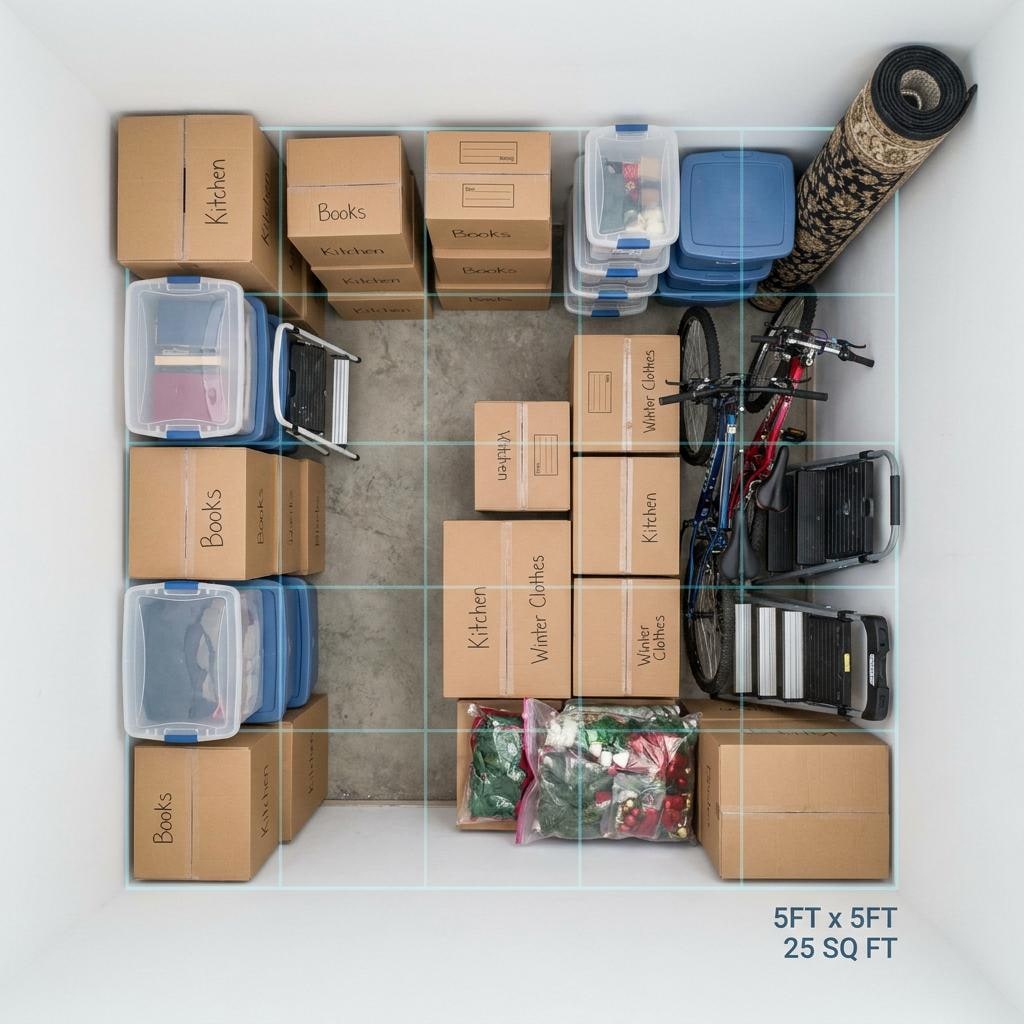
Introduction
You buy storage units at auction by finding a facility or online auction site running a sale, registering ahead of time (often with a refundable deposit), inspecting what you can see from the doorway, and placing the highest bid for the entire contents sight mostly unseen. Most winning bids land between $50 and $400, though a unit can go higher if several bidders see promising items. This guide walks through where to find auctions, how to register, how to size up a unit before you bid, and what to do once you win.
Where to find storage unit auctions
Storage auctions happen two ways: live on-site at the facility, or online through an auction platform the facility uses.
-
On-site auctions: the facility posts a date and time, and bidders show up in person to inspect units from the doorway before the sale starts.
-
Online auctions: facilities list photos of each unit and run bidding over a set window, often a few days, so you can bid from your phone.
-
Facility websites and local listings: many storage companies post upcoming auction dates directly on their site or local classifieds.
-
State and city: auction frequency and turnout vary a lot by market. Dense metro areas like California and Texas tend to have more facilities running sales in a given month than smaller markets, simply because there are more units overall.
Call ahead or check a facility's website weekly if you want a steady supply of local sales to bid on.
On-site vs online storage auctions
Each format has a different rhythm, and most buyers end up using both.
| On-site auctions | Online auctions | |
|---|---|---|
| Inspection | Doorway view only, in person | Photos only, sometimes several angles |
| Bidding | Live, fast-paced | Over hours or days |
| Travel | Required | None |
| Competition | Local bidders only | Wider pool, sometimes higher prices |
| Pickup | Usually same day | Scheduled within a day or two |
| Buyer's premium | Less common | Common, often 10% to 15% on top of your bid |
If you are new, on-site auctions are easier to learn from since you can watch a few sales before you bid. Online auctions save travel time but often carry a buyer's premium that adds to your final cost.
How to register to bid
Facilities and auction platforms want to know a winning bidder can actually pay, so expect a short approval step before you can bid.
-
Sign up in advance. Online platforms require an account, and some on-site auctions ask you to sign in and show ID the day of the sale.
-
Put down a deposit. A refundable deposit of $50 to $200 is common, held until you either win and pay or the auction ends.
-
Bring payment ready. Cash, debit, or a verified card is standard. Personal checks are rarely accepted.
-
Agree to the terms. You are bidding on an as-is, no-refund sale, and the paperwork will say so clearly.
Read the specific rules for each facility or platform, since deposit amounts, accepted payment, and ID requirements differ from one to the next.
What you can inspect before bidding
This is the part that trips up most first-time buyers: you are not shopping, you are guessing.
-
You typically view the unit from the doorway or through a gate, without walking in or touching anything.
-
Boxes stay closed. You can look at shapes, labels, and how carefully things are packed, but you cannot open containers.
-
Furniture, appliances, and anything out in the open are visible and worth more weight in your decision than sealed boxes.
-
Online listings give you a handful of photos, usually taken from the same doorway vantage point you would get in person.
Labeled boxes, furniture in good condition, and a unit that looks organized are better signs than a jumbled pile, but neither guarantees what is actually inside.
How to set a bidding budget
Treat every unit like a blind box and bid on what you can resell, not on the hope of a rare find.
-
Start with a hard ceiling before the bidding opens, based only on what you can see.
-
Price the visible items at realistic resale value, then subtract for the time and labor to sort, clean, and list everything.
-
Add cleanout costs like a truck rental or extra hands if the unit looks full.
-
Leave room for a loss. Experienced buyers expect some units to be a wash or a small loss, balanced by the ones that pay off.
-
Start small. Bid on smaller, cheaper units first while you learn how to judge a unit's contents from a doorway.
Most buyers find that newer units (recently defaulted) tend to hold more useful household goods, while long-neglected units more often hold worn-out or damaged items.
What happens after you win
Winning the bid is the easy part. What comes next is where the real work starts.
-
Pay immediately. Full payment, plus any buyer's premium or tax, is due on the spot or within the platform's payment window.
-
Clear the unit fast. You usually have 24 to 48 hours to remove everything and leave the space broom-clean.
-
Bring help and a vehicle. A truck or trailer, furniture dolly, boxes, and at least one extra pair of hands make cleanout far faster.
-
Sort as you go. Separate items into keep, sell, donate, and trash so you are not hauling junk home with the good stuff.
-
Dispose of trash responsibly. Most facilities expect the space completely empty, including anything you decide not to keep.
Missing the cleanout deadline can mean forfeiting your deposit or being barred from future auctions at that facility, so plan your help and transportation before you ever place a bid.
How to resell what you find
Flipping storage unit finds is a real side income for a lot of regular bidders, though it takes more effort than people expect.
-
Online marketplaces work well for furniture, electronics, and collectibles, especially with a listing photo and a fair price.
-
Local consignment or vintage shops are a fast outlet for clothing, decor, and smaller furniture pieces.
-
Yard sales or bulk lots clear out the lower-value volume quickly, even at thin margins.
-
Donation covers anything with little resale value, which also keeps your overall cost per unit lower.
-
Scrap and recycling are worth checking for metal, appliances, and electronics that are not worth reselling individually.
Build your price into the resale math from the start. A $150 winning bid that nets $300 in resale after a weekend of sorting is a solid outcome; a $150 bid that nets $160 after gas, a truck rental, and three weekends is not.
Risks and legal considerations
Storage auctions are legal across the United States, but every sale comes with real risk the bidder absorbs.
-
Everything sells as-is. There are no refunds, no guarantees, and no recourse if a unit is mostly empty or full of trash.
-
State lien laws set the process, not the auction house, so the rules a facility must follow before selling a unit vary by state. See our guide on how long before a storage unit is auctioned for typical timelines.
-
You are buying contents, not legal title to anything questionable. If you find something clearly stolen or illegal, the right move is to contact local law enforcement rather than try to sell it.
-
Taxes and resale rules apply in many states once you start reselling regularly, so keep records if this becomes more than an occasional hobby.
For a full breakdown of how a unit gets to auction in the first place, read how do storage auctions work. And if you are curious what you are likely to actually find once you win, see the most common items at storage unit auctions.
Frequently asked questions
How much does it cost to start buying storage units at auction? Most winning bids fall between $50 and $400, plus a refundable registration deposit of $50 to $200 and, for online platforms, a buyer's premium of around 10% to 15%.
Can I open boxes before I bid? Usually not. You can look from the doorway or through a gate, but boxes stay closed and you bid on what you can see rather than what is inside them.
Are storage unit auctions worth it? They can be profitable for people willing to put in the time to sort, clean, and resell, but most units hold everyday household goods rather than rare finds, so treat it as a resale business rather than a treasure hunt.
How do I find storage auctions near me? Check facility websites and social pages for posted dates, call local facilities directly, or sign up on an online storage auction platform that lists sales in your area.
What happens if I win but can't pay? You typically forfeit your deposit and lose the right to bid at that facility or platform again, so only bid what you can pay immediately.
Do I need a resale license to sell what I find? It depends on your state and how often you sell. Occasional sales rarely require anything special, but regular reselling may require a seller's permit, so check your state's rules if this becomes a consistent source of income.
How fast do I have to clean out a unit I win? Most facilities require a completely empty, broom-clean unit within 24 to 48 hours, so line up help and a vehicle before you bid.
Is it better to start with on-site or online auctions? On-site auctions are generally easier for beginners since you can watch a few sales before bidding, while online auctions save travel time but often add a buyer's premium to your final cost.