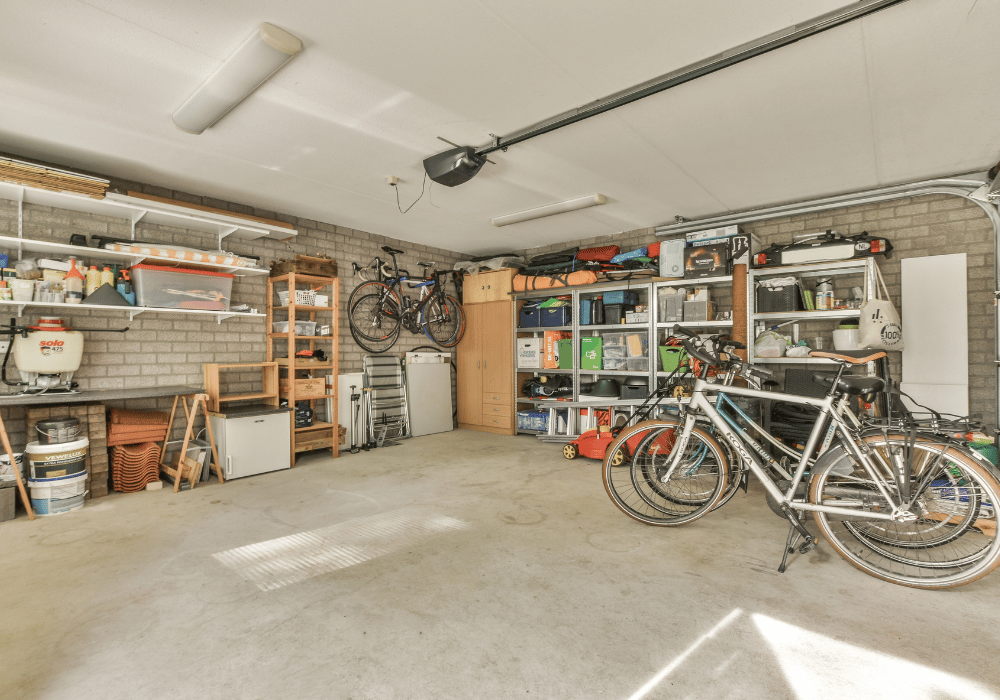
5 Decluttering Tips for Your Garage
*Title tag: 5 Decluttering Tips for Your Garage (Weekend Plan). *
*Meta description: Reclaim your garage with five practical steps, from a full sort to vertical storage, plus what you should never store there. *
URL: /blog/garage-decluttering-tips/.
Introduction
Follow these five steps and you can turn a packed, unusable garage back into a space you can park in or work in over a single weekend. Garages become dumping grounds because they are the easy place to stash anything without a home. That is exactly why a real system, not just a tidy-up, is what turns it around.
A garage can do far more than hold a car. The four most practical uses are protecting your vehicle, running a workshop, building a home gym, and adding real storage that stays usable. The common thread is that every one of them needs cleared, organized space, which often means moving rarely-used items out first.
Follow these five steps and you can turn a packed, unusable garage back into a space you can park in or work in over a single weekend. Garages become dumping grounds because they are the easy place to stash anything without a home. That is exactly why a real system, not just a tidy-up, is what turns it around.
Four practical uses of a garage
1. Vehicle protection
The garage's original job still matters, and it is worth more than most people realize. Parking inside shields your car from sun and UV that fade paint and crack interiors, from hail and falling debris, and from the temperature extremes that wear on batteries and fluids. It also adds a layer of security against theft and break-ins, and it keeps the cabin cooler in summer and frost-free in winter. Over years of ownership, that protection can help preserve resale value. If your garage is currently too full to actually park in it, that is the clearest sign it is due for a declutter, because a protected vehicle is often the highest-value use of the space.
2. A workshop or hobby space
A garage makes an ideal workshop for woodworking, repairs, crafts, or any hands-on hobby. To set one up well, start with a sturdy workbench at a comfortable height, then build storage up and around it so tools stay within reach but off the bench surface. A few practical considerations make the difference between a workshop you use and one you avoid:
-
Lighting: add bright overhead lighting and a task light at the bench.
-
Power: make sure you have enough outlets, and consider a power strip mounted at bench height.
-
Tool storage: a pegboard or wall system keeps frequently used tools visible and organized.
-
Ventilation: good airflow matters if you paint, stain, or sand.
Keep bulk materials on shelves and reserve the bench for actual work, and the space stays functional instead of becoming another catch-all.
3. A home gym
One or two bays of a garage can become a full home gym for a fraction of the long-term cost of a membership. Start with the floor: rubber mats or interlocking tiles protect the concrete, cushion drops, and give you grip. From there, the equipment depends on your goals, but a rack, a bench, adjustable dumbbells, and a bar cover most training. Clear the floor for movement, push storage to the walls and ceiling, and add a mirror and a fan for comfort. The main considerations are ceiling height for overhead lifts, ventilation since garages get warm, and enough clear floor space to move safely. Once set up, a garage gym is always open and never crowded.
4. Extra storage that stays usable
A garage is genuinely great for storage, as long as it does not quietly swallow the entire space. The trick is discipline: use shelving and overhead racks rather than floor piles, group items into clear zones, and store only what belongs in a garage. The moment boxes start covering the floor, you lose the ability to park or work there. Treat storage as one organized zone within the garage, not as permission to fill every square foot.
How to free up your garage for these uses
1. Empty it out and sort into four piles
You cannot organize a garage while everything is still crammed inside it, so start by pulling it all out onto the driveway. Pick a dry day, give yourself a few hours, and sort every item as you go. Seeing everything in daylight makes decisions far easier, because you finally notice the three half-used paint cans and the tools you bought twice.
-
Keep: items you use and have room for.
-
Sell: valuable things you no longer need, worth listing or holding for a yard sale.
-
Donate: working items someone else can use.
-
Toss or recycle: broken, expired, or unsafe items, following local rules for chemicals and electronics.
Add a fifth pile for anything you want to keep but do not need in the garage day to day, which you will move off-site in step four.
2. Group everything into zones by category
Once you know what you are keeping, group similar items so everything has a logical home. Zones make it obvious where things belong and, just as importantly, where clutter is starting to creep back in.
| Zone | What goes here |
|---|---|
| Lawn and garden | Mower, trimmer, hoses, hand tools, fertilizer |
| Tools and workshop | Power tools, hand tools, hardware, workbench |
| Sports and recreation | Bikes, balls, camping gear |
| Automotive | Oil, cleaning supplies, jack, spare parts |
| Seasonal and overflow | Holiday decorations, off-season items |
3. Go vertical and use the ceiling
Floor space is the enemy of a clean garage, so get as much as possible up off the ground. Wall systems, pegboards, slat walls, and heavy-duty hooks hold tools, hoses, ladders, and bikes where you can see and reach them. Overhead racks turn the ceiling into prime storage for bins you open only a few times a year, like holiday decorations and luggage. Getting items onto the walls and ceiling is the single biggest change that makes a garage feel twice as large.
4. Move seasonal and rarely-used items off-site
Even a well-organized garage runs out of room when it holds things you barely touch. Holiday decorations, camping gear, off-season sports equipment, and sentimental boxes all eat up space you could use for parking or projects. A storage unit keeps these items safe and accessible without crowding your daily space, and it is often what finally lets you park a car inside again. Keep the garage for what you use regularly, and store the rest.
5. Keep the floor clear and maintain it
Aim to keep nothing on the floor except things that need to roll, like the mower, bikes, or trash bins. A clear floor is easy to sweep, makes the whole space feel bigger, and stops clutter from spreading back across it. Do a quick sort each season to catch buildup early, and stick to a simple rule: if something new comes in, something old goes out.
What you should not store in a garage
Garages swing between hot and cold and can get humid, which ruins some items and makes others unsafe. Keep these out of the garage or store them elsewhere:
-
Paint, which degrades in temperature extremes
-
Propane and other flammables, which are a fire risk
-
Electronics and batteries, which hate heat and cold
-
Important documents and photos, which warp and fade
-
Canned or dry food, which attracts pests
For temperature-sensitive items you want to keep, a climate controlled storage unit is a safer home than the garage.
Frequently asked questions
How do I start decluttering my garage?
Empty it completely and sort into keep, sell, donate, and toss. Seeing everything at once makes decisions far easier.
How long does it take to declutter a garage?
A single or double garage usually takes a weekend if you sort in one pass and do not relitigate every item.
What should I not keep in a garage?
Paint, propane, electronics, documents, and food. Temperature swings, humidity, and pests can damage or endanger them.
Where do I put seasonal gear?
Overhead racks work for light bins, and a storage unit is ideal for holiday and off-season items you want out of the way.
How do I stop my garage from filling up again?
Keep clear zones, store rarely-used items off-site, do a seasonal sort, and follow a one-in, one-out rule.
How do I make room to park my car again?
Declutter fully, move storage to the walls and ceiling, and relocate rarely-used items off-site to free the floor.